Resin Bound Driveways in Gloucester
A bound aggregate surface, laid as one continuous layer. Here is how it works, where it suits a property, and what has to be right beneath it.
A resin-bound driveway is natural aggregate mixed thoroughly with a clear resin, then trowelled out over a prepared base. Every stone is coated, so the surface holds together as one piece instead of sitting loose.
What makes it different from resin bonded
Resin bonded is a different thing: stone scattered onto a resin-coated base, leaving a rougher, sealed surface with loose grains on top. Resin bound is mixed before it is laid, which is what gives the smooth, even finish and the open texture through the layer.
Where does rainwater go?
The resin-bound layer itself can let water pass through it. Whether the driveway as a whole is permeable depends on the full build-up: a permeable sub-base and a suitable formation below it, or an existing sealed surface that will not take water at all.
On Gloucester frontages that sit close to the pavement, or where the ground falls back towards the house, this matters more than the colour of the stone. We look at how water moves across the frontage first and then decide between a permeable construction, falls to a border, or a channel drain at the threshold.
Can the existing base stay?
Often, yes. Sound concrete or well-bound tarmac can make a good base, provided levels still work once the new surface is added and drainage is dealt with. Where the existing surface is cracked through movement, crumbling or heavily patched, laying over it only carries those problems upward. If it needs digging out, we'll explain why.
Where resin suits — and where it may not
- Suits: domestic drives, parking areas, front paths forming part of the same frontage.
- Suits: properties where a joint-free, low-upkeep surface is the priority.
- Less suitable: ground that is actively moving or settling until that has been dealt with.
- Less suitable: areas where heavy plant or repeated turning of very heavy vehicles is expected.
The surface, up close
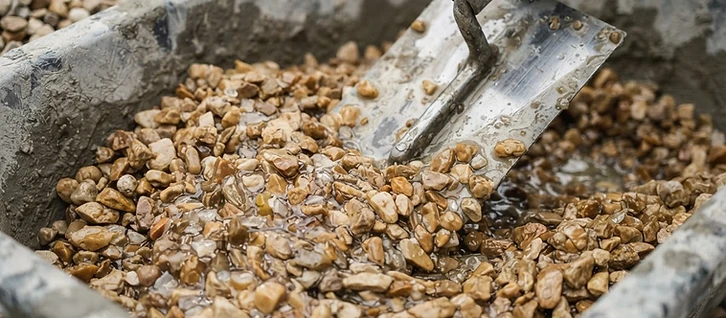
Aggregate size and blend change how the finished drive reads. Finer stone gives a tighter, smoother appearance; coarser stone gives more texture and shows less in the way of everyday marking.
If you are weighing this up against other surfaces, see our comparison with block paving and tarmac or the factors that affect the price.
Thinking about a resin driveway?
Send a few details and we'll come back to you about the drive, the existing base and whether a site visit makes sense.